
Registering a car in California is a vital step for any new vehicle owner, ensuring legal compliance and ownership rights. However, the process can be complex, with numerous requirements and potential pitfalls. Many owners find themselves navigating a labyrinth of regulations, particularly when it comes to essential steps like DMV VIN verification. This authoritative guide aims to demystify the registration process, offering step-by-step instructions and expert insights to ensure a smooth experience. By following these guidelines, you’ll master the art of car registration in California, leaving no room for error or delay.
- Gather Required Documents for Car Registration
- Prepare for DMV Visit: Schedule and Fees Explained
- Vehicle Inspection: Ensuring Your Car Meets Standards
- Complete the Registration Process: Step-by-Step Guide
- Post-Registration: VIN Verification and Legal Requirements
Gather Required Documents for Car Registration

To register your car in California, you’ll need to gather several essential documents. The California Department of Motor Vehicles (DMV) requires specific information for a successful registration, ensuring vehicle safety and compliance with state laws. One crucial aspect is accurate and up-to-date vehicle identification number (VIN) verification. This process involves confirming the VIN’s legitimacy and matching it with the vehicle’s description, which can be done through a mobile VIN inspection or verification service.
For instance, many auto repair shops, dealerships, and specialized mobile VIN verifiers offer this service, allowing you to obtain a digital report in minutes. These mobile VIN verifier apps typically require you to input your VIN and provide a photo of the vehicle’s identification plate. The data is then cross-referenced with national databases to ensure authenticity. This method not only saves time but also enhances accuracy, particularly for older or rare vehicles where manual records might be less reliable.
Additionally, expect to provide documents such as proof of ownership (a title or bill of sale), current insurance paperwork, and a completed DMV registration form. It’s advisable to check the official DMV website for the most recent requirements, as regulations can change over time. For instance, in 2022, the California DMV introduced an online registration process, further streamlining the procedure. By combining these digital tools with traditional documentation, you can ensure a smooth and efficient car registration experience.
Prepare for DMV Visit: Schedule and Fees Explained

Before you register your car in California, it’s crucial to prepare for your visit to the Department of Motor Vehicles (DMV). This process involves several steps, including scheduling an appointment and understanding the associated fees, which can vary based on the type of vehicle and your personal circumstances. The DMV offers both in-person and online services, but for critical procedures like car registration and VIN verification, it’s essential to visit a local field office.
During your visit, you’ll need to bring several documents, including proof of insurance, a valid driver’s license, and the vehicle’s title. Additionally, the DMV will perform a Vehicle Identification Number (VIN) inspection to ensure the car matches the details on the registration documents. This verification process is a standard procedure to prevent fraud and ensure vehicle safety. While you can schedule an appointment online for some services, VIN inspections are often conducted on-site, so be prepared to wait if you haven’t booked in advance.
To streamline the process, consider using a mobile VIN verifier. These applications enable you to quickly and easily verify your car’s VIN without visiting the DMV. However, for official registration and title transfer, an in-person visit remains necessary. By understanding these requirements ahead of time and preparing accordingly, you can make your DMV trip as smooth and efficient as possible, minimizing any potential delays or issues.
Vehicle Inspection: Ensuring Your Car Meets Standards
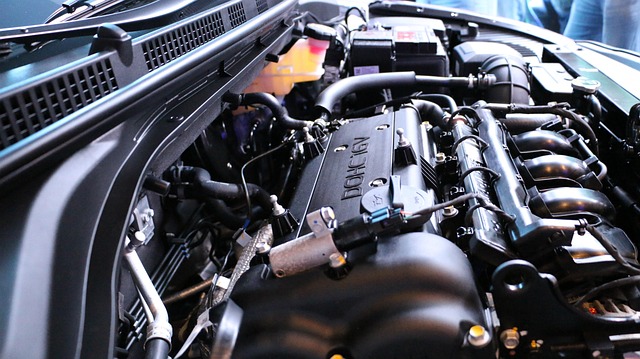
Vehicle inspection is a critical step in registering your car in California, ensuring it meets state safety and emissions standards. The California Department of Motor Vehicles (DMV) requires a thorough check to verify that your vehicle poses no significant risks to road safety or public health. This process involves not just a visual assessment but also a detailed verification of the Vehicle Identification Number (VIN), which is unique to every car. A key aspect of this inspection, often facilitated by mobile VIN inspection services, is ensuring the accuracy of the VIN data through a process known as DMV VIN verification.
Accurate VIN inspection is crucial for several reasons. Firstly, it helps identify any potential safety issues with your vehicle, such as outstanding recalls or defects that could compromise its structural integrity. Secondly, it safeguards against fraud and theft. By cross-referencing the provided VIN with state records, authorities can confirm the vehicle’s history, ownership, and any reported incidents, deterring individuals from attempting to register stolen vehicles or those with altered identities. In California, where mobile VIN inspection services have gained popularity, this verification process is often conducted at your convenience, whether at home, work, or during a test drive.
For instance, data from the DMV indicates that proper VIN inspection and vehicle history reporting can significantly reduce the risk of selling or registering a stolen vehicle. Using a mobile vin verifier, for example, allows you to quickly get a readout of critical information—like recall status, ownership history, and accident reports—all while ensuring compliance with state regulations. This technology streamlines the registration process, making it more efficient and secure. By embracing these modern tools, California drivers can ensure their vehicles meet not only legal standards but also their own safety expectations.
Complete the Registration Process: Step-by-Step Guide

To complete the registration process for your car in California, follow these detailed steps ensuring a smooth experience. Begin by gathering all necessary documents, including your vehicle’s registration certificate from the previous owner, proof of insurance, and valid identification like a driver’s license. The California Department of Motor Vehicles (DMV) emphasizes the importance of accurate information during the dmv vin verification process, so ensure your documents are up-to-date.
Next, visit a DMV field office or use their online services to apply for registration. If you opt for an in-person visit, be prepared with your documentation, as DMV employees will verify your details. For convenience, the DMV offers mobile vin verification through their app, allowing you to check vehicle history and complete certain transactions from your smartphone. This digital approach streamlines the process, especially during peak hours when offices might be busy.
Once your application is accepted, the DMV will assign a unique registration number and issue your vehicle’s title and registration card. They may also conduct a vin inspection to ensure the accuracy of your vehicle identification number (VIN). This step is crucial for preventing fraud and ensuring every registered vehicle matches its official records. Always double-check the details on your registration documents, including the VIN, to avoid future issues during vin verification.
Post-Registration: VIN Verification and Legal Requirements

After successfully registering your vehicle with the California Department of Motor Vehicles (DMV), there are crucial steps to ensure your car complies with state laws. One such vital process is DMV VIN verification, a critical aspect of post-registration requirements. The Vehicle Identification Number (VIN) serves as a unique fingerprint for each car, and its verification is essential for safety and legal purposes.
In California, the DMV encourages owners to complete this verification promptly after registration. This involves confirming that the VIN displayed on critical vehicle components matches the one recorded in the DMV’s system. Many owners opt for convenient mobile vin inspection or mobile vin verification services, allowing them to conduct this check efficiently from the comfort of their homes or garages. These services utilise advanced technology to ensure accuracy and provide immediate feedback. For instance, a mobile vin verifier can cross-reference the VIN with national databases, checking for any reported issues, recalls, or thefts, thereby safeguarding both the owner and other road users.
The benefits of timely vin verification are significant. It helps identify potential safety hazards associated with counterfeit parts or unscrupulous dealings during the registration process. By maintaining accurate records, California’s DMV can actively contribute to national efforts to combat vehicle identity fraud. Moreover, for car enthusiasts or collectors, a thorough post-registration check ensures that modifications or restoration work complies with legal standards, preventing any future legal complications.
By meticulously gathering required documents, preparing for your DMV visit with known schedules and fees, ensuring your vehicle passes inspection, completing the registration process step-by-step, and finally undergoing DMV VIN verification post-registration, you’ve taken critical steps to legally register your car in California. This comprehensive guide has equipped you with the knowledge to navigate each phase smoothly, ensuring your vehicle complies with state standards and remains in good standing. Embrace these insights as your authoritative roadmap for a seamless car registration experience.