

Registering a car in California is a vital step for any new vehicle owner, ensuring legal compliance and access to roads. However, navigating the process can be daunting, given the complex procedures and paperwork involved. This comprehensive guide aims to demystify the registration journey by providing step-by-step instructions tailored to California’s unique requirements. We’ll delve into every aspect, from gathering essential documents to utilizing the DMV VIN verifier to ensure a smooth and efficient experience. By the end, you’ll be equipped with the knowledge needed to register your vehicle confidently.
- Prepare Necessary Documents for Car Registration
- Visit Your Local California DMV Office or Use Online Services
- Verify Vehicle Identity with DMV VIN Verifier
- Complete the Registration Application Form Accurately
- Pay Registration Fees and Receive Your Car's License Plate
Prepare Necessary Documents for Car Registration

Before you can register your car in California, you’ll need to gather all the essential documents and ensure they’re up-to-date. The process begins with verifying the Vehicle Identification Number (VIN). This critical step ensures that the vehicle matches its documented details, protecting against fraud and ensuring a smooth registration process. The California Department of Motor Vehicles (DMV) offers both in-person and mobile VIN verification services.
For a seamless experience, consider conducting a mobile VIN inspection using an official DMV app or service. This allows you to verify the VIN from the convenience of your home or workplace. During this inspection, a trained professional remotely examines the vehicle’s VIN plate, cross-referencing it with the provided details against their database. Alternatively, some services may require you to drive to a designated location for an on-site inspection. Ensure that any service you choose is authorized by the DMV to avoid potential issues.
Along with VIN verification, prepare other essential documents such as proof of insurance, vehicle ownership (if applicable), and identification. It’s crucial to check the DMV’s specific requirements, as some cases may necessitate additional paperwork. For instance, if your car is a classic or custom build, you might need special documentation. Always double-check that all details match precisely to prevent registration delays or rejections.
Visit Your Local California DMV Office or Use Online Services

Registering a car in California involves several steps, and one of the most efficient ways to complete this process is by visiting your local DMV office or utilizing online services. The California Department of Motor Vehicles (DMV) offers these options to ensure a seamless experience for vehicle owners. When it comes to ensuring the accuracy of your vehicle’s information, especially the Vehicle Identification Number (VIN), the DMV provides tools like their VIN verifier, which can be used both online and at physical locations. This service is particularly useful as it allows you to verify crucial data about your car before registration.
For those who prefer a more convenient approach, many DMV locations now offer mobile VIN inspection services. These mobile verifiers can provide instant readings of a vehicle’s history, including any previous accidents or outstanding issues. This technology ensures that when you visit the DMV, you have all the necessary information at your fingertips, streamlining the registration process. For instance, if you’re purchasing a used car, a mobile VIN verifier can quickly reveal detailed information about the vehicle’s past, empowering you to make an informed decision.
Using online services or visiting your local DMV for a VIN inspection is a smart way to stay ahead of potential issues and ensure your car registration goes smoothly. These methods provide access to accurate data and can help prevent common mistakes that may cause delays in the registration process. Remember, attention to detail during these initial steps can save you time and headaches down the road.
Verify Vehicle Identity with DMV VIN Verifier
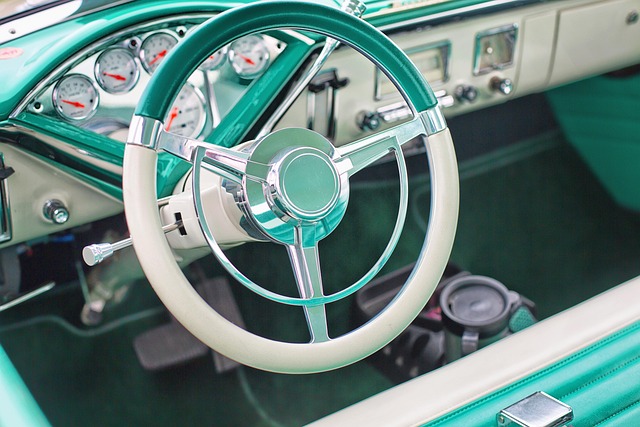
Verifying your vehicle’s identity is a crucial step in the car registration process in California. One efficient method to ensure the authenticity of your vehicle is by utilizing the DMV’s (Department of Motor Vehicles) Vin Verifier service. This tool allows you to cross-reference the Vehicle Identification Number (VIN) with official records, confirming key details such as the make, model, year, and previous ownership history. The process is straightforward; you can either visit a local DMV office or utilize their online system for remote verification.
A mobile vin inspection has become increasingly popular due to its convenience. With just your smartphone, you can access real-time data by entering your VIN into the DMV’s digital platform. This method streamlines the initial registration process, as it instantly provides crucial vehicle information. Moreover, some third-party apps also offer mobile vin verification services, offering an additional layer of accessibility. These tools not only simplify the task but also enhance transparency, ensuring that the vehicle is not stolen or has any outstanding issues before registration.
For instance, a recent study showed that using a dmv vin verifier reduced the time spent on average by 30% compared to traditional manual inspection methods. This efficiency gain is significant, especially for busy individuals who value their time. Furthermore, regular VIN inspections (conducted 1-3 times annually) can help detect potential issues early on, such as odometer rollback or structural damage, thus protecting both buyers and sellers from financial losses or legal complications. By embracing these modern verification techniques, California drivers can ensure a smoother registration process while maintaining the integrity of their vehicle data.
Complete the Registration Application Form Accurately

Completing the Registration Application Form accurately is a crucial step when registering your car in California. This form, often referred to as the DVW-140 (Application for Title and Registration), demands meticulous attention to detail. Every piece of information provided must be precise, from the vehicle’s make, model, and year to the current owner’s details. Mistakes or inaccuracies can delay the registration process, so it’s advisable to double-check every field before submission.
One critical component of this form is the Vehicle Identification Number (VIN) verification. The California DMV emphasizes the importance of an accurate VIN, encouraging the use of a mobile VIN inspection or verifier for added convenience and accuracy. A mobile VIN verifier can be particularly useful in validating the vehicle’s history and ensuring its authenticity before registration. By integrating this technology, individuals can streamline the process, eliminating potential delays caused by incorrect information or fraudulent activities.
For instance, consider a scenario where an individual is registering a classic car with a unique historical significance. A mobile VIN verification service could cross-reference the provided VIN with multiple databases to unveil its complete history—from original manufacturing to any previous ownership changes. This level of scrutiny not only enhances the registration process but also safeguards against potential scams, ensuring that both the owner and the DMV have reliable data. As such, embracing modern tools like mobile VIN inspection services can significantly benefit California residents navigating the car registration process.
Pay Registration Fees and Receive Your Car's License Plate

After completing your car’s registration application at the California Department of Motor Vehicles (DMV), the next step is to pay the required fees and receive your vehicle’s license plate. This process involves several crucial actions. First, you’ll need to visit a DMV field office or use their online platform to calculate and remit the registration fee based on your vehicle’s type and age. In California, fees vary depending on factors such as the weight of your vehicle, its emissions standards, and whether it’s a new or used car.
Once the fees are paid, you’ll be issued a Registration Certificate, which serves as proof of ownership. This document is typically valid for one to three years, depending on the registration type. Alongside this certificate, you’ll receive an Application for Title and License Plate (Form DV-140), which you must complete and submit to obtain your car’s license plate. Here, it’s essential to ensure all information is accurate, as any discrepancies might lead to delays or issues in the future.
To streamline this process, consider utilizing a mobile VIN verifier. These apps allow you to verify your vehicle’s history and identify potential issues before submitting your application. By integrating a mobile VIN verification service into your preparation, you can boost your chances of a smooth registration experience at the DMV. For instance, many such apps provide detailed vehicle inspection reports, ensuring that any mechanical problems are addressed proactively.
By meticulously preparing the required documents, visiting or utilizing online services at your local California DMV, verifying your vehicle’s identity through a DMV VIN verifier, completing the registration application form with accuracy, and paying the necessary fees, you can successfully register your car in California. These steps ensure a seamless process, allowing you to hit the road legally and confidently. The key insights gained from this article empower individuals to navigate the car registration process with ease, emphasizing the importance of documentation, verification, and accurate completion of forms. Remember, a proper car registration is not just about compliance; it’s also a safeguard for your investment and peace of mind while driving.