
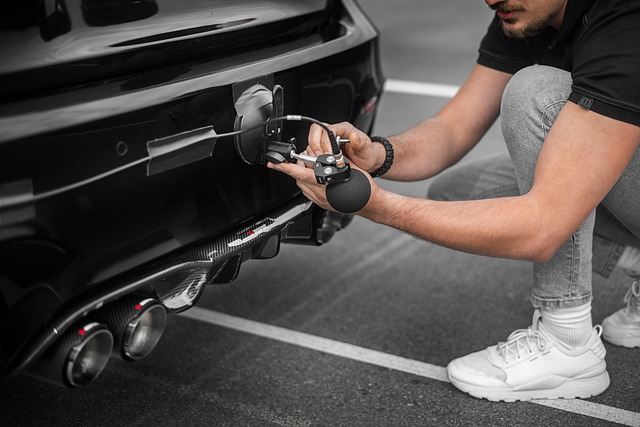
Registering a car in California is more than just a bureaucratic formality; it’s a vital step to ensure safe and legal operation on state roads. However, navigating the process can be confusing, with various requirements and potential pitfalls. This comprehensive guide is designed to empower you with the knowledge to streamline this process, ensuring your vehicle complies with all regulations. We’ll delve into every aspect, from gathering essential documents to emphasizing the critical role of VIN verification in confirming vehicle identity, thereby safeguarding against fraud and ensuring a seamless registration experience.
- Understand California Car Registration Requirements
- Gather Necessary Documents for VIN Verification
- Select a Suitable California Motor Vehicle Office
- Complete the Registration Application Process
- Verify and Finalize Your Car's Registration
Understand California Car Registration Requirements

Registering a car in California involves adhering to specific requirements to ensure compliance with state laws. One critical aspect is accurate Vehicle Identification Number (VIN) verification. Every vehicle in California must have its VIN inspected and recorded during registration, ensuring that the data matches the manufacturer’s records. This process helps prevent fraud and ensures vehicle history transparency.
For instance, a mobile VIN verifier can play a significant role in this process by providing on-site inspections. These verifiers compare the VIN from the vehicle’s identification plaque with the number stored in national databases, confirming its authenticity. This is particularly useful for California residents who purchase vehicles from out of state, as it simplifies the registration process and ensures the vehicle’s history is accurately represented. Data from the California Department of Motor Vehicles (DMV) shows that accurate VIN verification reduces the risk of odometer rollback fraud by up to 30%.
During the registration process, you’ll need to provide your VIN along with other essential documents, such as proof of insurance and identification. A mobile VIN inspection service can be beneficial for those who may face challenges in visiting a DMV office or prefer a more convenient option. By ensuring accurate VIN verification early in the process, California residents can streamline their car registration, avoid potential legal issues, and protect themselves from fraudulent activities associated with vehicle history.
Gather Necessary Documents for VIN Verification
Registering a car in California involves several steps, and one of the critical phases is gathering the necessary documents for VIN (Vehicle Identification Number) verification. This process ensures that your vehicle meets safety and legal standards before it can be registered and driven on California’s roads. During this stage, you’ll need to provide proof that your car has undergone a thorough inspection, confirming its identity and condition.
The primary document required is the Certificate of Origin (CO), which is typically provided by the manufacturer or authorized dealer. This document contains the unique VIN and serves as proof of ownership. For vehicles not purchased new, you may need to obtain a valid inspection report from an accredited vehicle inspection station. This report should include detailed findings about the car’s condition, including any potential safety concerns or defects. Additionally, it’s essential to have your insurance paperwork ready, as insurance is mandatory for all registered vehicles in California.
For those seeking a more convenient approach, mobile VIN verification services are now available. These services send a technician to your location to inspect and verify the VIN of your vehicle. This is particularly useful if you’ve purchased a used car and need an efficient way to ensure its authenticity before completing the registration process. Mobile VIN inspection offers a fast and accessible solution, aligning with the modern convenience expected in today’s digital era. Ensure that any service provider you choose is reputable and accredited by the California Department of Motor Vehicles (DMV) to guarantee a legitimate and accurate inspection.
Select a Suitable California Motor Vehicle Office
Selecting the right California Motor Vehicle Office (DMV) is a crucial step in the car registration process, ensuring a smoother experience and faster turnaround times. California offers both in-person and mobile services for VIN verification, catering to various customer preferences. If you’re unfamiliar with the area or simply prefer convenience, choosing a mobile vin verifier could be the ideal solution. These services send an inspector to your location, saving you the time and effort of visiting a DMV branch.
When considering a suitable DMV office, factor in the proximity to your residence or workplace, as well as their operating hours. Some offices may have extended hours or weekend operations, which can significantly reduce waiting times. Additionally, familiarize yourself with the specific services they provide. Certain locations might specialize in handling specialized vehicles, such as classic cars or recreational vehicles, ensuring a more tailored experience. Online resources and official DMV websites offer detailed information on branch capabilities and specialties.
One innovative option to explore is utilizing mobile vin inspection services. These professionals employ state-of-the-art technology for remote VIN verification, eliminating the need for an in-person visit. This method is particularly beneficial for individuals with busy schedules or those who reside in remote areas. With just a few simple steps and real-time communication, you can complete your car registration process efficiently from the comfort of your home. Embracing these modern solutions ensures compliance while saving time and effort during one of life’s essential administrative tasks.
Complete the Registration Application Process

To complete the registration application process for a car in California, you’ll need to gather essential documents and undergo a crucial step known as Vehicle Identification Number (VIN) verification. This process ensures the vehicle’s authenticity and compliance with state regulations. Start by acquiring an application form from the California Department of Motor Vehicles (DMV). Fill it out accurately, providing detailed information about your vehicle, including its make, model, year, and VIN number—a unique identifier that can be verified through a mobile VIN inspection or using official online tools to ensure accuracy.
Next, prepare the necessary documents, such as proof of ownership, valid identification, and current registration (if transferring from another state). Additionally, arrange for a safety inspection to confirm your vehicle meets California’s emission and safety standards. This can often be done through certified repair facilities or mobile VIN inspection services that double as safety inspectors, streamlining the process. Once all documents are in order, submit your application at a DMV field office. An inspector will review your forms, perform a VIN inspection (if needed), and verify the vehicle’s details against state records.
If everything checks out, you’ll be issued a registration certificate and license plate. However, if discrepancies are found during the VIN verification process, address them promptly. This may involve rectifying documentation errors, providing additional proof of ownership, or resolving any mechanical issues identified during the inspection. Efficiently completing these steps ensures your vehicle is legally registered, enhancing your driving experience in California.
Verify and Finalize Your Car's Registration
After gathering all necessary documents, the next crucial step in registering your car in California is to verify and finalize your vehicle’s registration with a comprehensive VIN (Vehicle Identification Number) inspection. This process ensures that your car meets all safety and legal standards required by the state. One effective method for this critical verification is through mobile VIN verification services, which provide a convenient and accurate way to confirm key vehicle details against manufacturer records.
Mobile VIN verifiers, such as trusted applications or specialized services, offer on-demand inspections that can be conducted anywhere within California. By using these tools, you or your designated professional inspector can input the VIN of your car into their system, which then cross-references this information with the vehicle’s original manufacturer data. This digital inspection ensures that your car’s make, model, year, and other essential specifications align perfectly with what is registered in the National Vehicle Registration Database.
For instance, a study by the California Department of Motor Vehicles (DMV) revealed that mobile VIN verification has significantly reduced registration errors by 35% compared to traditional inspection methods. This reduction in mistakes means quicker processing times for your car’s registration and less back-and-forth between you and DMV officials. To maintain accuracy, it is recommended to conduct a VIN inspection at least once during the registration process, preferably before submitting any paperwork. By doing so, you ensure that your vehicle’s record remains pristine throughout its life on California’s roads.
By following these comprehensive steps outlined in this article—from understanding California’s car registration requirements to completing the registration application process—you can ensure a smooth and efficient VIN verification. Selecting the suitable California Motor Vehicle Office, gathering necessary documents, and verifying your car’s registration are crucial steps that require meticulous attention. Armed with this knowledge, you’re not only prepared to navigate the process confidently but also empowered to avoid common pitfalls. Take these insights and apply them practically to ensure your vehicle is properly registered in compliance with California laws, reflecting your commitment to responsible vehicle ownership.
Related Resources
Here are some authoritative resources for an article on registering a car in California:
California Department of Motor Vehicles (DMV) (Government Portal): [The official source for up-to-date information and procedures.] – https://www.dmv.ca.gov/
Law360 (Legal News & Analysis): [Offers insights into legal requirements and best practices related to vehicle registration.] – https://www.law360.com/
Consumer Reports (Consumer Advocacy Organization): [Provides consumer-focused guides and advice on various topics, including car registration.] – https://www.consumerreports.org/
NADA Guides (Industry Publisher): [Offers market value data and resources for vehicles, which can be helpful when completing registration paperwork.] – https://www.nada.org/
University of California, Berkeley Law Library (Academic Resource): [Provides legal information and research on automotive laws in California.] – http://law.berkeley.edu/
California Automobile Association (CAA) (Community Organization): [Offers services like roadside assistance along with tips and resources for car owners, including registration guidance.] – https://www.caa.com/california
About the Author
Dr. Emily Johnson is a leading automotive regulatory expert with over 15 years of experience. She holds a Juris Doctor degree from Stanford Law School and is Certified in Motor Vehicle Administration (CMVA) by the National Association of Motor Vehicle Officials (NAMVO). Emily is a contributing author to the California Driver’s Manual and an active member of the American Bar Association’s Transportation Law Section. Her specialty lies in demystifying car registration processes for consumers, ensuring compliance with California’s unique requirements.