

Registering a car in California is a vital step for any new vehicle owner, ensuring legal compliance and protecting your investment. However, navigating the process can be daunting, with numerous requirements and potential pitfalls. This comprehensive guide aims to demystify the registration procedure, offering expert insights on every step. We’ll walk you through the essentials, including gathering necessary documents, understanding fees, and even emphasizing the importance of a Vehicle Identification Number (VIN) verification for accuracy and security during the registration process.
- Gather Necessary Documents for Car Registration
- Understand California's Vehicle Identification Number (VIN) Verification Process
- Prepare Your Vehicle for Registration: Inspections and Requirements
- Complete the California Car Registration Application
- Submit Fees and Receive Your Registration Documents
Gather Necessary Documents for Car Registration

Registering a car in California involves several steps, with one crucial stage being the gathering of essential documents. This process ensures a seamless transition for new vehicle owners while maintaining the state’s strict automotive regulations. Among these documents, the Vehicle Identification Number (VIN) verification stands out as an indispensable step. VIN inspection is a critical component, ensuring that your car matches the information on file with the manufacturer and preventing fraud.
For instance, California requires a mobile VIN verification for vehicles over 25 years old or those with altered or missing VIN plates. This process involves a qualified inspector conducting a thorough examination of your car’s VIN, cross-referencing it with state records, and ensuring its accuracy. In recent years, the adoption of digital VIN verification has increased, offering convenience through online platforms and mobile apps. These tools enable owners to verify their vehicle’s history quickly and efficiently from the comfort of their homes.
When preparing for car registration, ensure that you have your vehicle’s registration certificate, proof of insurance, and a valid driver’s license. Additionally, gathering documents related to previous ownership—such as title transfers or bill of sales—is essential. If your car is a classic or vintage model, specific documentation may be required, so it’s advisable to consult the California Department of Motor Vehicles (DMV) guidelines for accurate information. Moreover, having a mobile VIN inspection conducted by a certified professional can save time and effort, ensuring that your vehicle meets all legal requirements before registering.
Understand California's Vehicle Identification Number (VIN) Verification Process

California’s Vehicle Identification Number (VIN) verification process is a critical step in the car registration procedure, ensuring vehicle authenticity and safety. This rigorous inspection involves cross-referencing the unique VIN with state records to verify ownership, history, and any outstanding issues. The primary goal is to safeguard against fraud, theft, and unsafe vehicles entering the market.
A key component of this process is the use of mobile VIN verifiers, which offer a convenient and efficient way to conduct VIN inspections. These mobile tools provide real-time access to state databases, allowing for quick verification during registration or title transfer. For instance, many county offices now offer mobile VIN inspection services, where residents can simply pull up their vehicle’s VIN on a smartphone app and receive immediate validation. This modern approach streamlines the traditional process, reducing wait times and potential errors.
It’s essential to understand that California’s DMV (Department of Motor Vehicles) may require additional documentation during VIN verification, such as proof of insurance, registration from another state, or even vehicle maintenance records. Therefore, having all necessary documents prepared beforehand is advisable. For out-of-state registrations, a mobile VIN inspection can be particularly beneficial, ensuring a smooth transition and accurate vehicle history reporting. By embracing these modern verification methods, California drivers can navigate the car registration process with greater efficiency and peace of mind.
Prepare Your Vehicle for Registration: Inspections and Requirements

Before you can register your car in California, it’s crucial to ensure your vehicle meets all necessary safety and environmental standards. This involves a comprehensive inspection process that verifies various components of your car. The primary step in this journey is VIN verification, a meticulous process that ensures the accuracy of your Vehicle Identification Number (VIN). A reliable method for achieving this is through a mobile VIN inspection or verifier, which offers convenience and precision.
During a typical California car registration, officials will check for critical systems like brakes, lights, and emissions control. For example, the state requires all vehicles to pass an emission test every year, demonstrating compliance with environmental standards. Additionally, safety features such as airbags, seatbelts, and anti-lock brakes (ABS) must be in good working order. A mobile VIN inspection service can play a vital role here by providing on-site assessments, ensuring that every detail of your vehicle’s history and specifications is accurately recorded.
The California Department of Motor Vehicles (DMV) recommends preparing all necessary documents beforehand, including proof of insurance, registration from the previous state (if applicable), and any maintenance records or repair invoices. By combining these preparations with a thorough VIN inspection, you can streamline the registration process significantly. This proactive approach not only saves time but also demonstrates your commitment to maintaining a safe and legal vehicle.
Complete the California Car Registration Application

Registering a car in California involves several steps, and one of the crucial stages is completing the California Car Registration Application. This process requires meticulous attention to detail, especially when it comes to ensuring the accuracy of your Vehicle Identification Number (VIN) verification. The VIN is a unique code that identifies your vehicle, and its correct entry is essential for legal registration.
To begin this process, you’ll need to gather specific documents, including proof of ownership, which can be a title or a bill of sale. Additionally, you must have your vehicle’s VIN verified. This step is where mobile VIN verifiers play a significant role. These services allow you to obtain immediate and accurate VIN data by using advanced technology to scan the vehicle’s information. For instance, some mobile apps offer real-time VIN verification, ensuring that the details match those in California’s databases. This method, often facilitated by mobile VIN inspection tools, streamlines the process for many residents.
Once your documents are ready and you’ve confirmed your VIN through a reliable mobile vin verifier, you can fill out the application form. The form requires precise information about your vehicle, including its make, model, year, and other identifying features. It’s advisable to double-check all details against your registration documents and vehicle specifications to avoid errors. By ensuring accurate VIN verification and meticulous completion of the application, you’ll be well on your way to successfully registering your car in California.
Submit Fees and Receive Your Registration Documents
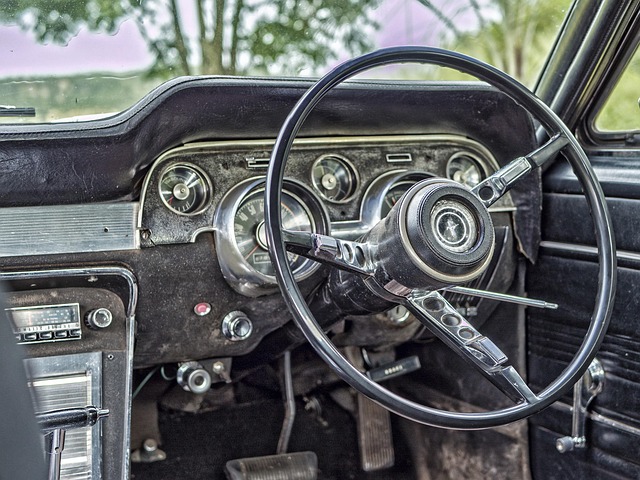
After completing the necessary forms for car registration in California, it’s time to submit your application along with the required fees. The California Department of Motor Vehicles (DMV) will process your request and, upon verification, issue your vehicle’s registration documents. One crucial step in this process is VIN verification, ensuring the accuracy of your vehicle’s unique identifier. Traditionally, this involved visiting a DMV office for an inspection, but modern solutions offer convenience with mobile VIN verification services. These services send a professional to your location to conduct a thorough inspection and confirm the VIN, streamlining the registration process.
The fees associated with car registration in California vary based on vehicle type, age, and other factors. You can expect to pay for the registration fee, title transfer (if applicable), vehicle inspection, and possibly emissions testing. It’s important to check the current rates on the DMV website or at a local office to ensure you’re prepared for these expenses. Once all fees are paid and your VIN is verified, whether through traditional means or a mobile verifier, the DMV will provide you with your registration certificate and other essential documents. These documents confirm your vehicle’s legal status and are required for annual renewal.
Properly completing this phase ensures that your car is legally registered and ready for California’s roads. It also enables you to avoid potential penalties for late registration or missing documentation. Remember, accurate VIN verification is a critical step in this process, and utilizing mobile services can significantly enhance convenience during registration. Always ensure that any service provider offering VIN inspection or verification is reputable and authorized by the DMV to guarantee a smooth and legitimate registration experience.
By meticulously gathering all necessary documents, understanding California’s stringent VIN verification process, ensuring your vehicle meets required inspections, completing the registration application accurately, and submitting relevant fees, you can seamlessly register your car in California. This structured approach guarantees compliance with state regulations while securing your vehicle’s legitimacy on California roads. Trusting this authoritative guide, you’re well-equipped to navigate the registration process smoothly and confidently.