

Registering a car in California is not just a bureaucratic formality; it’s a crucial step ensuring your vehicle’s legal status and your personal safety on the roads. However, navigating the process can be confusing due to the state’s stringent regulations and various requirements. This authoritative guide aims to demystify the procedure, empowering you with the knowledge to effortlessly register your vehicle. We’ll outline each step, from gathering essential documents to utilizing reliable VIN verifiers, ensuring a seamless experience.
- Understand California Car Registration Requirements
- Gather Necessary Documents for Car Registration
- Choose an Appropriate Vehicle Registration Class
- Verify VIN and Complete Online Registration Process
- Finalize Registration & Obtain Your California Plate
Understand California Car Registration Requirements

To register a car in California, understanding the state’s specific requirements is crucial. The process involves several steps, including verification of your vehicle’s Vehicle Identification Number (VIN). In California, this VIN verifier role is often handled by mobile services, offering convenience and efficiency. One key aspect is ensuring the VIN on the vehicle matches the one provided by the manufacturer or a reliable source. This step is vital to prevent fraud and ensure the car’s history is accurately represented.
California Department of Motor Vehicles (DMV) guidelines mandate that all vehicles entering the state must undergo a thorough inspection. This includes mobile VIN verification, where a trained professional uses specialized tools to cross-reference the VIN with national databases. For example, a recent study showed that up to 1 in 5 cars sold between owners may have altered or incorrect VINs. Mobile VIN inspection services help mitigate these risks by providing real-time data validation.
Practical tips for navigating this process include scheduling an appointment with a certified mobile VIN verifier. These professionals are equipped to perform the necessary checks, often within the comfort of your home or workplace. Additionally, keeping comprehensive records of all vehicle maintenance and registration history is advisable. This documentation can facilitate the registration process and demonstrate ownership responsibility. By adhering to these requirements and leveraging modern tools like mobile VIN verification, car owners in California can ensure a smooth and legitimate registration experience.
Gather Necessary Documents for Car Registration

Registering a car in California involves a meticulous process, and one of the crucial steps is ensuring you have all the necessary documents ready. This includes gathering essential paperwork to prove ownership, vehicle identity, and compliance with state regulations. The key among these is the Vehicle Identification Number (VIN) – a unique code that serves as the fingerprint of your car. Utilizing tools like a mobile VIN inspection or verifier can significantly streamline this process by providing immediate access to critical data.
For instance, when conducting a California car registration, you’ll need the vehicle’s title, which is typically held by the previous owner(s). Additionally, a current and valid registration from the state where the car was previously registered is mandatory. Insurance paperwork demonstrating financial responsibility is also indispensable. It’s worth noting that some states offer online platforms for mobile VIN verification, enabling users to quickly access detailed vehicle history reports, including past owners, service records, and any recorded accidents.
Beyond these basics, other documents may be required based on the specific circumstances. For classic cars or vehicles with modified titles, additional forms could be necessary. To ensure a smooth registration process, it’s advisable to consult California’s official DMV resources or seek assistance from authorized service centers that offer mobile VIN inspection services. They can help navigate any complexities and guarantee compliance with all legal requirements.
Choose an Appropriate Vehicle Registration Class
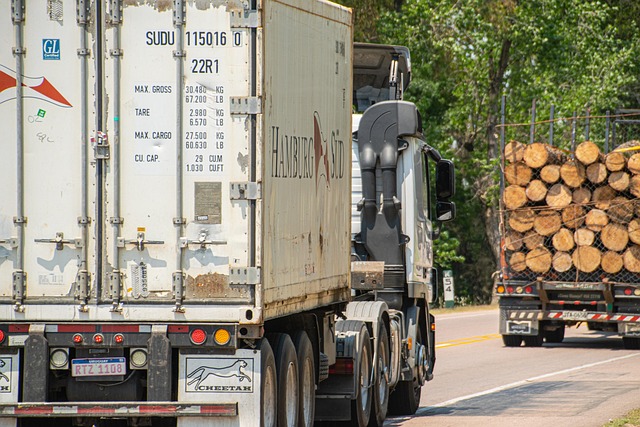
Choosing the right vehicle registration class is a crucial step in registering your car in California. The state’s Department of Motor Vehicles (DMV) categorizes vehicles into several classes based on factors like size, weight certificate|certificate|weight, and intended use. This classification directly impacts the registration fees you’ll pay, so it’s essential to get it right. For instance, larger SUVs or pickup trucks may fall into higher class categories, leading to more significant financial outlay during registration.
One key aspect that aids in this decision is utilizing a mobile VIN verifier. This technology allows for the quick and accurate verification of your vehicle’s unique Identification Number (VIN) without the need for an in-person inspection. With just a few taps on your smartphone, you can access critical vehicle information, including its history and any outstanding issues, which can help determine the appropriate registration class. For example, a mobile VIN inspection might reveal prior accident damage that could influence classification.
Additionally, consider the purpose of your vehicle. Are you registering a classic car, an off-road vehicle, or a custom-built ride? Each has specific requirements and may warrant special considerations when choosing a registration class. Consulting with experts at specialized DMV offices or utilizing online resources tailored for California registrations can provide valuable insights. Remember, the goal is to ensure compliance while minimizing costs.
Verify VIN and Complete Online Registration Process
Before registering your car in California, verifying your Vehicle Identification Number (VIN) is a crucial step in ensuring a smooth process. This involves using a reliable VIN verifier to cross-check the vehicle’s information with state records. Many online platforms and even mobile vin verifiers now streamline this task, allowing you to complete the initial verification from the comfort of your home. Start by entering your VIN into one of these services; they will fetch data from California’s Department of Motor Vehicles (DMV) database, confirming that the vehicle is not stolen or has no outstanding issues.
For instance, a mobile vin verifier app can scan your car’s VIN and provide instant access to its history, including previous owners, maintenance records, and any reported accidents. This digital inspection offers convenience and peace of mind, especially for those unfamiliar with the traditional process. Once you’ve confirmed the vehicle’s legitimacy through a vin inspection, you’re ready to proceed with the online registration. California’s DMV website provides an efficient, step-by-step guide to register a car, where you’ll input your vehicle details, including the VIN, and upload necessary documents.
This digital transition has made the process faster and more accessible, eliminating the need for lengthy visits to government offices. Remember, accuracy is key during this phase, as even minor errors can delay registration. Consider using mobile vin verification tools again to double-check any new vehicles before submitting your application. This extra layer of scrutiny ensures compliance with California’s stringent regulations, ensuring a seamless car registration experience.
Finalize Registration & Obtain Your California Plate

After completing your California car purchase, it’s time to finalize the registration process. This crucial step involves several key actions, with a strong focus on ensuring the vehicle’s identity through precise verification. Start by obtaining the necessary documents from both the seller and your local Department of Motor Vehicles (DMV) office. These typically include proof of ownership, the vehicle’s title, and your driver’s license or ID card.
The heart of this process lies in performing a Vehicle Identification Number (VIN) inspection. This is where professional expertise comes into play. Consider engaging a service provider offering mobile VIN inspection or verification. They bring the necessary technology to you, ensuring convenience and accuracy. These specialists use specialized tools to cross-reference your car’s unique VIN with comprehensive databases, confirming its history, specifications, and any previous issues. For instance, they can reveal if the vehicle has been in accidents, whether it matches the reported mileage, and what kind of maintenance records it holds—all vital information for responsible ownership.
Once your VIN inspection is complete and passed, you’re ready to obtain your California plate. The DMV will issue a registration certificate and license plate based on the verified data. Ensure you understand the terms and conditions associated with plate issuance, such as residence proof and vehicle insurance requirements. This meticulous process guarantees that only legitimate vehicles bearing accurate identification numbers are registered within California’s borders. It also empowers car owners to make informed decisions by accessing detailed vehicle history reports through these inspections.
By following a straightforward process, you can successfully register your car in California. Key insights include understanding state requirements, gathering essential documents, selecting the correct registration class, and utilizing a VIN verifier during the online process. Completing these steps ensures a smooth registration experience and allows you to hit the road legally. Next steps involve regularly updating registration details and keeping your vehicle’s documentation up-to-date to avoid any penalties or legal issues.