

Registering a car in California is a vital process ensuring vehicle ownership rights and road safety. However, navigating the procedures can be challenging, especially with evolving regulations. This article serves as your comprehensive guide, offering step-by-step insights into the registration process, including crucial aspects like DMV VIN verification. By following these instructions, you’ll ensure a seamless experience, avoiding common pitfalls and potential delays. Our expert advice guarantees you’re well-prepared to handle every phase, from gathering essential documents to final vehicle inspection.
- Gather Required Documents for Car Registration
- Prepare Your Vehicle for DMV Inspection
- Complete the California Car Registration Application
- Submit and Pay for Your Registration with DMV
- Verify VIN and Complete Post-Registration Steps
Gather Required Documents for Car Registration

Registering a car in California involves several steps, and one of the critical preliminary tasks is gathering all the necessary documents for a smooth process. This ensures that you have the right information on hand to avoid delays or complications later on. A key aspect of this preparation stage is performing a DMV VIN verification, which can be done efficiently through mobile vin inspection services.
For California car registration, you’ll need a comprehensive set of paperwork, including proof of ownership, vehicle identification number (VIN) documentation, and relevant registration fees. Start by acquiring the Certificate of Title, often referred to as the ‘title,’ from the previous owner or the dealership where you purchased the vehicle. This document is vital for establishing your legal ownership of the car. Additionally, you’ll require a current vehicle registration from another state if you’ve recently moved, or a clean abstract/title history report if applicable. The California Department of Motor Vehicles (DMV) recommends using official, government-sanctioned services for VIN inspection to ensure accuracy and prevent fraud, making mobile vin verification an ideal solution.
Another essential document is the Vehicle Identification Number (VIN) itself. This unique code can be found on various parts of your car, typically on a plate under the windshield or on the door jamb. Accurately recording this number is crucial for verification purposes, and many mobile vin inspection services offer quick and convenient on-site checks to confirm its authenticity. By combining these initial steps with proper documentation preparation, you’ll be well-equipped to navigate the car registration process in California efficiently.
Prepare Your Vehicle for DMV Inspection

Before you register your car in California, ensure your vehicle is prepared for the DMV inspection process. This crucial step involves verifying your vehicle’s identity through a comprehensive check known as a DMV VIN verification. The process starts with ensuring that your Vehicle Identification Number (VIN) is accurate and accessible. Many owners opt for a mobile VIN inspection service, which allows a professional to conduct a remote VIN verification using specialized tools. This method saves time, especially in cases where the vehicle’s documentation might be incomplete or outdated.
During this preparation phase, gather all relevant documents, including registration papers, insurance cards, and any previous inspection reports. Ensure your vehicle meets all safety standards by checking critical components like brakes, lights, tires, and emissions systems. A mobile VIN verifier can assist in identifying potential issues, as they are equipped with advanced diagnostic tools that go beyond what a typical owner might possess. For instance, these verifiers can pull real-time data on the vehicle’s history, including accident reports and recall notifications, which could impact registration eligibility.
Additionally, maintain a clean and organized car interior to facilitate the inspection process. Remove any obstructions from the dashboard area where the VIN is typically located. This accessibility ensures a swift verification during the DMV visit. Remember, a well-prepared vehicle not only increases the likelihood of a smooth registration process but also highlights your commitment as a responsible owner.
Complete the California Car Registration Application
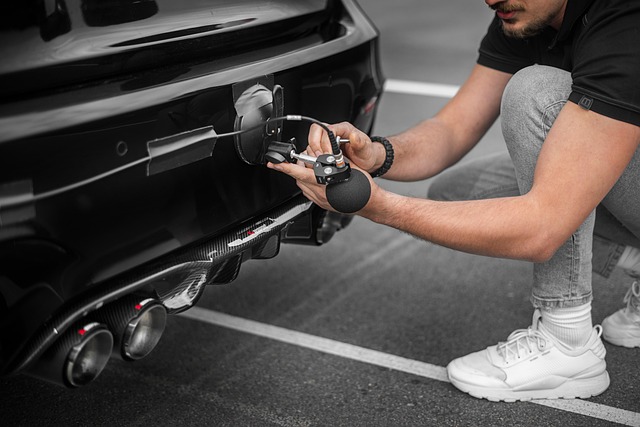
To complete the registration process for your vehicle in California, you’ll need to fill out the official DMV Car Registration Application form. This crucial step involves providing detailed information about your car and ensuring that all data is accurate, as it aligns with the vehicle identification number (VIN) verification conducted by the Department of Motor Vehicles (DMV). A key component of this process is confirming the VIN through a reliable method, such as using a mobile VIN verifier or undergoing a mobile VIN inspection. These services allow you to securely and efficiently verify your car’s information before submitting your application.
The form requires specifics like the make, model, year, and vehicle identification number (VIN) of your car. It’s imperative that these details match the information on the title and any other official documents you possess. Additionally, personal information such as your name, address, and license plate number must be provided to ensure a seamless registration process. If you have recently purchased a used car, it’s important to obtain a clean vehicle history report to support your application and help avoid potential issues with registration or future ownership.
When completing the form, ensure that all sections are accurately filled out, double-checking for any errors. Inaccurate information can delay processing or even lead to registration denial. Many residents in California opt for mobile VIN verification services or inspections, which offer convenience and peace of mind. These services use advanced technology to cross-reference your vehicle’s data, providing immediate confirmation that your car is eligible for registration. By utilizing these efficient methods, you streamline the process, ensuring a smoother transition to becoming a registered California vehicle owner.
Submit and Pay for Your Registration with DMV

Submitting and paying for your car registration with the DMV is a crucial step in the vehicle registration process. After gathering all necessary documents, including proof of insurance, you’ll need to visit a local California Department of Motor Vehicles (DMV) office or utilize their online services. If visiting in-person, prepare for a potential wait as these offices can get busy. During your visit, a DMV representative will perform a Vehicle Identification Number (VIN) verification process, ensuring the vehicle’s information matches the details provided. This step is vital to maintain accurate records and prevent fraud.
One efficient way to streamline this process is by utilizing mobile VIN verification services. These apps allow you to check a vehicle’s history and conduct an inspection remotely. For instance, many insurance companies offer this service as part of their app features, enabling customers to quickly verify a car’s VIN. This method not only saves time but also ensures accuracy, especially when comparing the provided information with official records. It’s advisable to cross-reference data from multiple sources for a comprehensive understanding of the vehicle’s history.
When submitting your registration, ensure all details are correct and that you have the required documents. The DMV will process your application and assign a registration fee, which varies based on factors like the type of vehicle and its age. After processing, they’ll provide you with a registration card and a unique VIN-based identification number. Properly documenting this information is essential for future reference and smooth interactions with law enforcement or other official bodies.
Verify VIN and Complete Post-Registration Steps
Verifying your vehicle’s Vehicle Identification Number (VIN) is a crucial step in the car registration process in California. This essential check ensures that your vehicle matches the records held by the Department of Motor Vehicles (DMV). The DMV VIN verification process involves cross-referencing the provided VIN with official databases to confirm its authenticity and history, which can reveal previous owners, accident damage, or outstanding issues. In light of this, it’s advisable to utilize a mobile vin verifier for convenience and accuracy.
When conducting a VIN inspection, you’ll want to ensure that all details align perfectly. This includes the make, model, year, and other specifications matching across various sources. Many online tools and apps, including mobile vin inspectors, can facilitate this process by providing instant access to detailed vehicle history reports. For instance, a quick check might reveal if your car has been in any significant accidents or if certain components have been replaced, which could impact its safety and value.
Post-registration, there are additional steps to complete. These typically include updating your insurance, registering your vehicle with the appropriate local authorities, and ensuring all paperwork is in order. It’s during this phase that you’ll likely encounter any outstanding issues related to your VIN, such as a discrepancy between the recorded and actual mileage. Promptly addressing these matters ensures a seamless ownership experience and can help prevent future complications. Remember, staying proactive and keeping detailed records, especially regarding VIN inspection results, will make navigating California’s registration process a smoother journey.
By systematically navigating each step outlined in this article—from gathering essential documents to completing the California car registration application and verifying your vehicle’s VIN—you’ve equipped yourself with the knowledge needed to smoothly register your car. The process, while seemingly intricate, becomes manageable when approached methodically. Remember, accurate documentation, a well-prepared vehicle, and meticulous attention to detail during DMV vin verification are key to ensuring a seamless registration experience. This authoritative guide empowers you to confidently tackle each phase, making you not just an informed driver but a seasoned navigater of California’s car registration process.