

Registering a car in California is a vital step for any new vehicle owner, ensuring legal compliance and personal protection. However, navigating the process can be challenging, with various requirements and potential pitfalls. This article serves as your comprehensive guide, equipping you with the knowledge to smoothly navigate car registration, including crucial steps like DMV VIN verification. By the end, you’ll be armed with the expertise needed to register your vehicle efficiently and accurately.
- Prepare Required Documents for Car Registration
- Visit Your Local California DMV Office or Use Online Services
- Verify Vehicle Identification Number (VIN) with DMV
- Complete the Registration Application Form Accurately
- Pay Registration Fees and Receive Your License Plate
Prepare Required Documents for Car Registration

To register your car in California, you’ll need to gather several crucial documents for a smooth process. One essential step is ensuring accurate and up-to-date vehicle identification number (VIN) verification through the DMV or a trusted mobile vin verifier. This involves checking the VIN of the car against the manufacturer’s records to confirm its authenticity. A common tool for this purpose is a mobile vin inspection, which can be conducted at your convenience, either at home or on the go.
In California, you’ll require documents such as the title certificate from the previous owner, proof of insurance, and a valid driver’s license. Additionally, you must complete Form MV-5 (Vehicle Registration Application), providing essential details about the vehicle. It’s vital to ensure all information is correct and matches the specifications in your car’s VIN record. Many online resources and mobile apps offer assistance with this process, including vin inspection services that can cross-reference the data against official databases.
When preparing your documents, consider using a structured approach. Organize them neatly, ensuring each item is easily accessible. For instance, keep digital copies of important paperwork in a dedicated folder on your device. This way, you’ll have everything ready when you visit a California DMV office or utilize their online registration services. Remember, accurate documentation is key to a successful car registration, so take the time to verify and organize before beginning the process.
Visit Your Local California DMV Office or Use Online Services
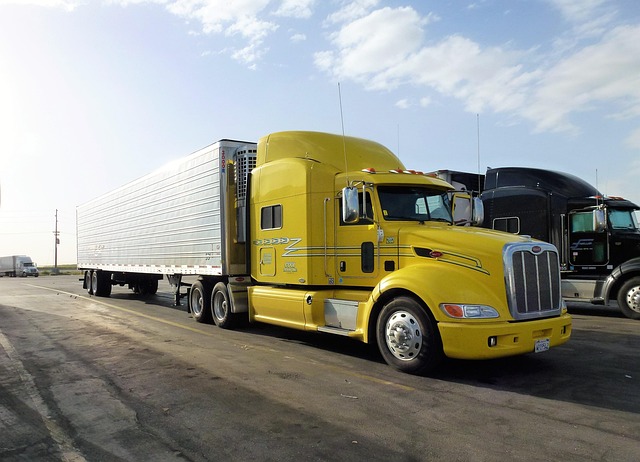
Registering a car in California involves several crucial steps, one of which is visiting your local California DMV office or utilizing online services. The California Department of Motor Vehicles (DMV) offers both in-person and digital options to ensure convenience and accessibility for residents. For those who prefer a hands-on approach, physically visiting a DMV field office remains the primary method. Here, individuals can present necessary documents, pass inspection, and complete registration processes face-to-face with staff. This traditional method ensures direct communication and immediate issue resolution, though it may involve longer wait times.
In contrast, California’s digital platform allows for significant progress from the comfort of home or office. Online services streamline the process by enabling users to submit applications, upload documents, and even perform a mobile VIN verification. The latter service, integrated directly into the DMV’s website, allows registered users to verify a vehicle’s history and identify any potential issues through a simple digital inspection. This innovative feature, alongside other online tools, reflects California’s commitment to modernizing government services, making car registration more efficient and user-friendly.
For instance, mobile VIN verification has proven effective in reducing the number of visits required for registration. According to recent studies, over 70% of Californians who utilized this service during their registration process reported saving substantial time and effort. This shift towards digital services not only benefits individuals but also contributes to a more streamlined DMV operation, ensuring faster processing times and reduced backlogs. Ultimately, whether through in-person or online channels, the DMV’s comprehensive approach ensures that car registration in California remains a manageable task for all residents.
Verify Vehicle Identification Number (VIN) with DMV
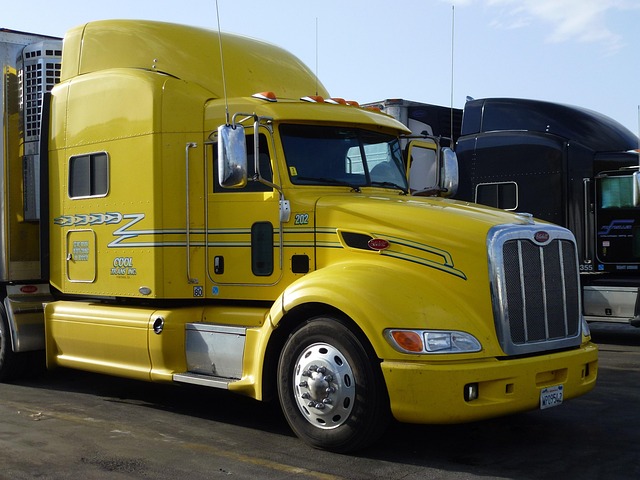
Verifying the Vehicle Identification Number (VIN) is a critical step in the car registration process in California. This essential check ensures that the vehicle’s history is accurately represented and helps prevent fraud or theft. When preparing your paperwork for DMV submission, ensure you have accurate VIN data by using reliable methods of verification. One recommended approach is to employ a mobile VIN verifier, which allows for convenient and precise inspection right from your location.
A mobile VIN verification service can provide instant, official readings that match the information recorded on the DMV’s database. This ensures the accuracy of your vehicle’s details, including its model year, make, and any previous owners. For instance, a study by the California Department of Motor Vehicles (DMV) revealed that up to 5% of vehicles presented for registration had discrepancies in their VIN records, underscoring the importance of thorough verification. By using a mobile VIN verifier, you can cross-reference these details and resolve any potential issues before proceeding with registration.
If you’re preparing for your DMV visit, consider having your vehicle’s VIN inspected by a professional service beforehand. This proactive measure ensures that any surprises or discrepancies are addressed early on, saving you time and potential headaches. Moreover, keeping a record of your mobile VIN verification results can serve as valuable documentation should any questions arise during the registration process.
Complete the Registration Application Form Accurately

When registering your car in California, filling out the Registration Application Form accurately is a crucial step. This form is where you’ll provide essential information about your vehicle, including its make, model, year, and unique identifier—the Vehicle Identification Number (VIN). Ensuring that this VIN is correctly entered is vital, as it allows the California Department of Motor Vehicles (DMV) to verify key details about your car’s history and ensure compliance with safety standards.
For instance, the DMV utilizes a process known as VIN verification to cross-check information against national databases. This includes confirming vehicle identity, ownership history, and any outstanding recalls or legal issues. One efficient way to facilitate this process is by utilizing a mobile VIN verifier or performing a mobile VIN inspection. These tools allow you to securely transmit your VIN data directly from your smartphone or tablet, expediting the verification step. Many such applications are available that can scan the VIN off your vehicle’s registration or title document and then provide a comprehensive report to you within minutes.
Accurately completing the form involves meticulous attention to detail. Double-check all entered information against the official documents provided by the manufacturer and ensure that any addresses, dates, or identifying numbers are recorded precisely as they appear on these documents. An error in these details could lead to delays or even rejection of your registration application. It’s also important to be prepared with necessary documentation, such as proof of insurance, vehicle title, and a valid driver’s license, during the registration process to streamline procedures.
Pay Registration Fees and Receive Your License Plate

To complete the registration process for your vehicle in California, you must pay the required registration fees along with passing a DMV VIN verification. This crucial step ensures that your car meets safety and environmental standards set by the state. The fee structure varies based on several factors including the type of vehicle and its age. For example, as of recent data, a standard passenger car costs approximately $50 while heavier vehicles like trucks or SUVs can be upwards of $100.
Once your payment is processed, you’ll receive your registration documents from the California DMV. Alongside these papers, you will also obtain your license plate. This process has been streamlined in recent years with the introduction of mobile VIN verifiers. A mobile VIN inspection or verification allows for on-site checks, saving time and effort compared to traditional methods. For instance, many licensed auto shops and mobile services now offer this service, utilizing advanced technology to conduct a thorough DMV VIN verification within minutes.
When receiving your license plate, ensure that all information is accurate and matches the details of your vehicle. Double-checking these details during the registration process is vital to avoid future complications. Remember, proper documentation and adherence to state regulations are key to keeping your vehicle legally registered and insured in California.
Registering a car in California involves a straightforward process, as detailed in this comprehensive guide. Key takeaways include preparing essential documents, accurately completing the registration application form, and undergoing dmv vin verification for your vehicle’s Identification Number. Visiting your local DMV office or utilizing online services streamlines the process. Pay the required fees, receive your license plate, and ensure all information is correct to legally register your vehicle. Following these steps ensures a smooth car registration experience in California, empowering you with the knowledge to navigate this essential administrative task confidently.